Before
The first viable concept became the final concept
Through 2024 the package was 2D, made by hand. Every visual decision had to work across the whole show from day one, because there was no room left to explore once a direction locked in. Forty-plus categories. Two hundred-plus album covers in every palette you can imagine, each one to accommodate rather than fight. Names of wildly different lengths. A premium bar, on a fixed budget and timeline.
Under those constraints, the first concept that technically worked was the one you shipped. Trying a second one would've cost the show.
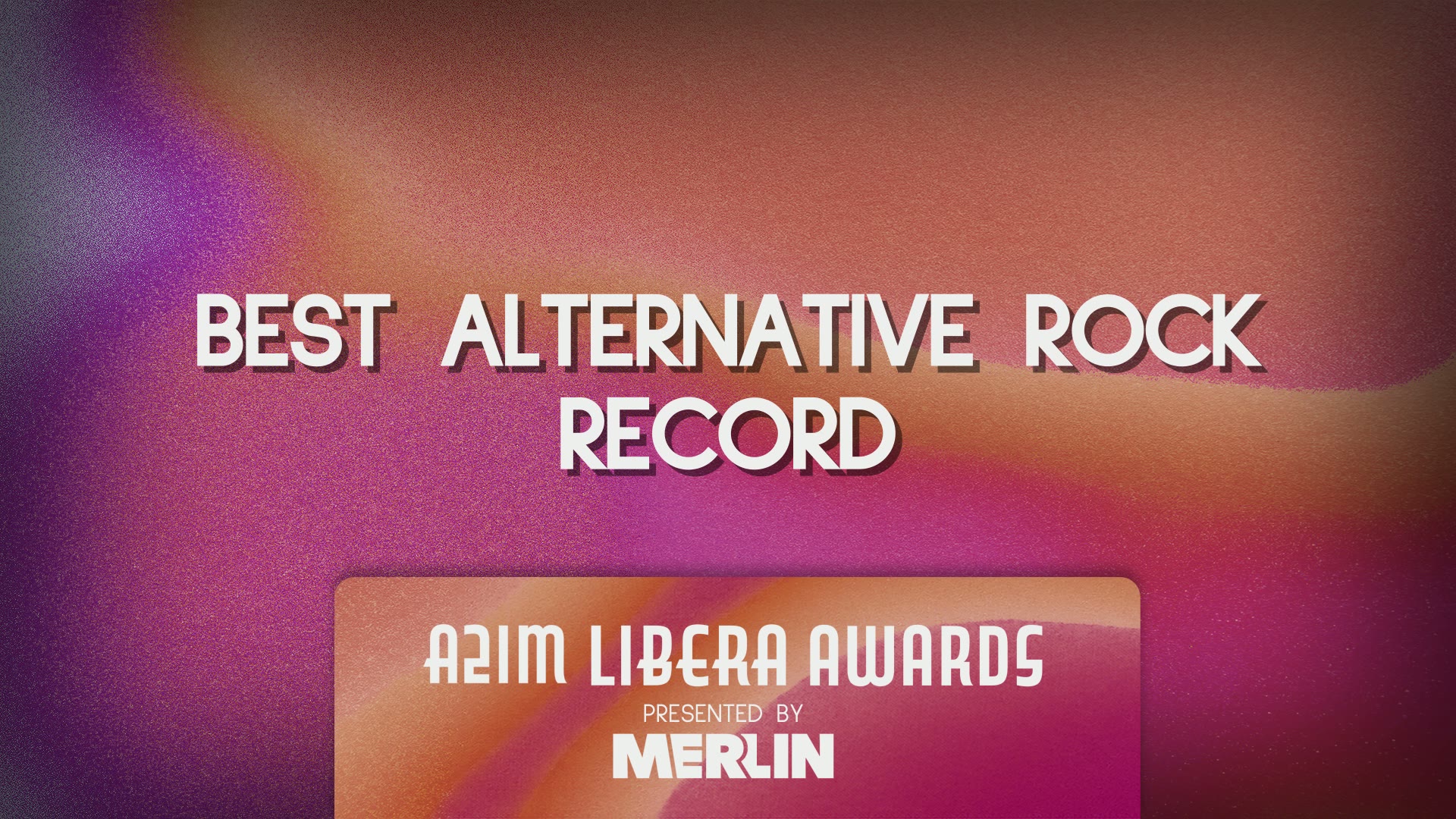
2025
Changing how the images got made
Volume of options is the thing generative tools are actually good at. Everything downstream of the options is judgment.
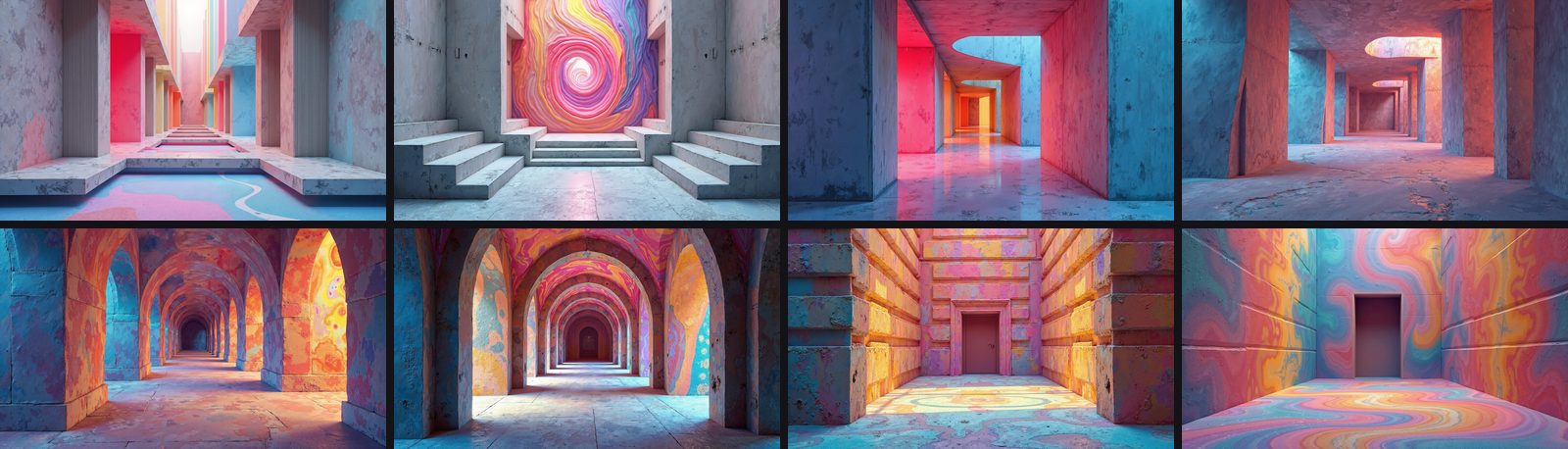
Concepts at volume. I wrote around fifty prompts for candidate environments and built a ComfyUI pipeline that could render hundreds of frames overnight. In prior years I'd have had time to sketch maybe three directions. Now one more option cost next to nothing, so the job became about choosing well.
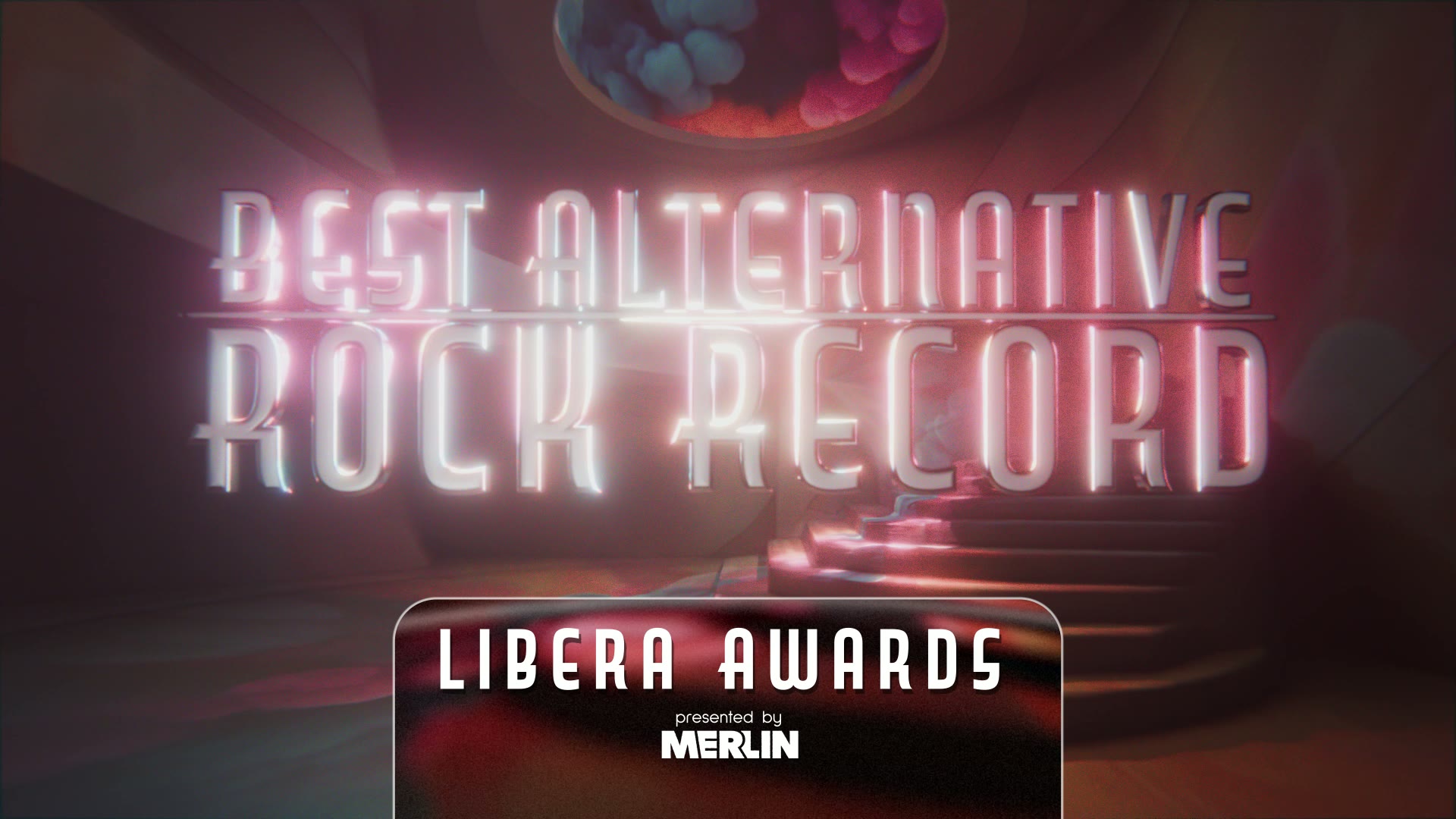
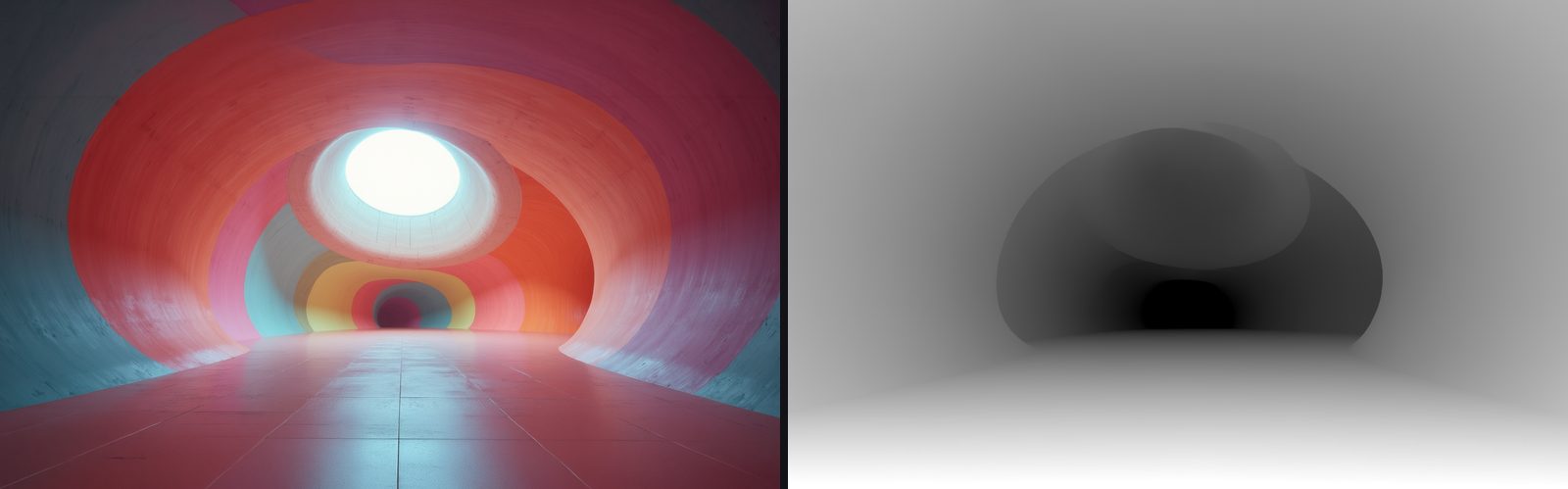
From image to space. The strongest frames went through depth estimation and turned into 3D meshes with real spatial depth. A generated hallway stopped being a backdrop and became an actual set, something a camera could move through, light, and hang a nominee's artwork inside.
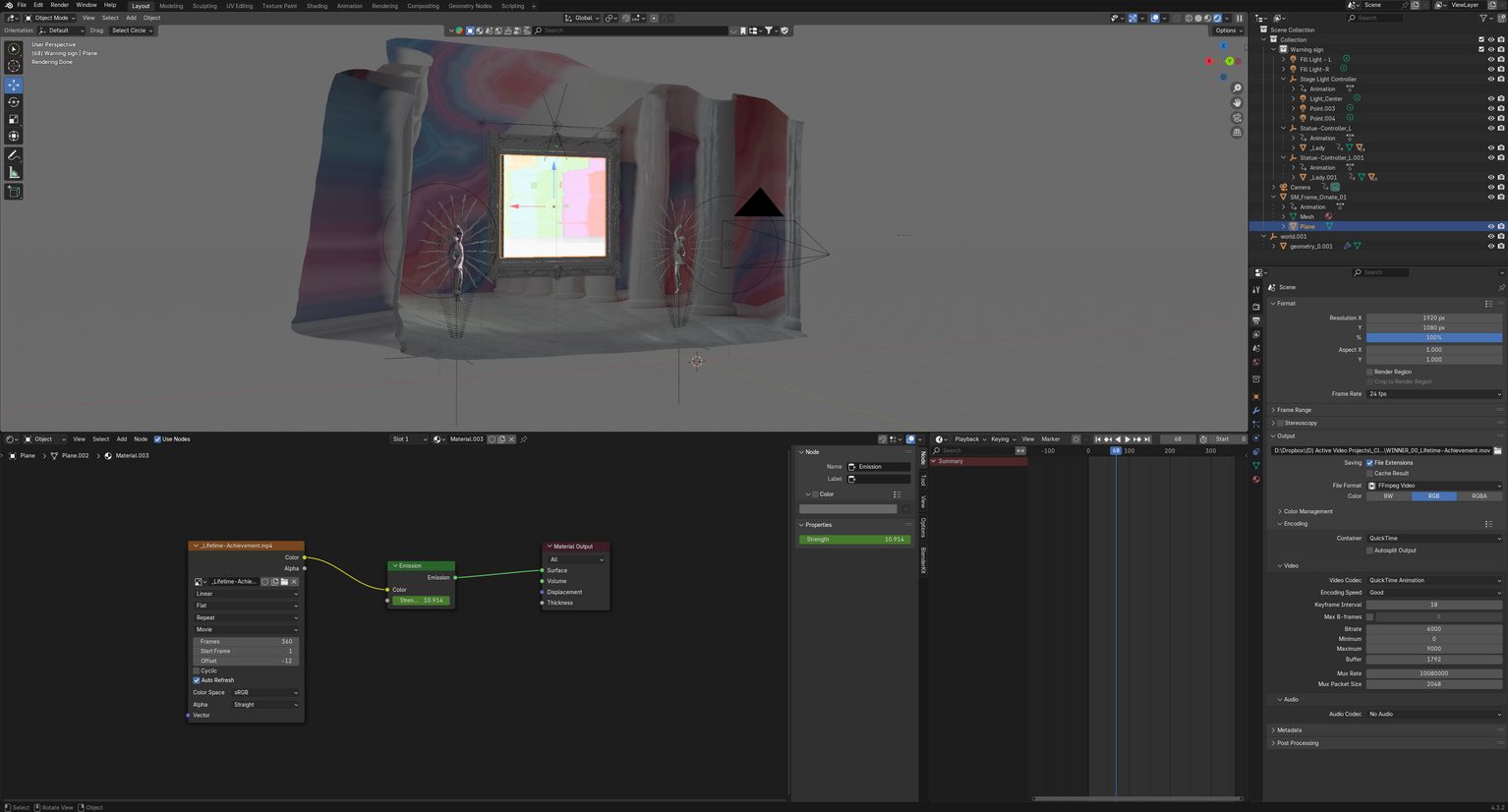
Textures. An experimental ComfyUI-to-Blender integration generated bespoke textures instead of pulling from a stock library, so the surfaces actually matched the concept frames they came from.
The result was a full 3D package, delivered on the same schedule the flat version used to take.
2026
Feeding the agents
The 2026 show extended the same practice: generated stills, video, 3D objects and environments, all art-directed the same way I'd always done it. The two kinds of 3D took different routes. Environments went through depth estimation into mesh; objects were generated directly, with Meshy running inside ComfyUI. Those assets are what the agent pipeline assembled into finished nominee screens. That production is its own case study, and it depended on this one settling the visual language first.
What stayed human
Taste became the whole job
Art direction. Picking from hundreds of frames. How the generated passes got combined into one coherent package. Every judgment call on whether the result looked like an awards show or a cheap demo.
Generative tools moved the visual ceiling. They didn't move the bar for taste one inch. If anything, taste became the whole job: when one more option costs nothing, choosing badly is the only way left to fail.
There were hard edges too. Nominee artwork is fixed, never generated or altered, and the environments had to hold two hundred covers, not just one. Names of every length had to sit legibly in the same layout. A gorgeous frame is worthless if it can't hold up in the fortieth category as well as the first. The pipeline got built around those constraints, not around whatever the models happened to be best at.